commercial air conditioning installation Ogden
<!DOCTYPE html>
Smart Home Thermostat Integration for High Desert Residences
Smart Home Thermostat Integration for High Desert Residences
Ogden’s climate rewards precise control. Summer days on the valley floor push into the 90s, then drop fast at night as dry air and elevation take over. Homes on the East Bench feel stronger canyon winds and larger swings. West Haven and Marriott-Slaterville see longer sun exposure across open lots. In this high-desert setting, a smart thermostat is more than a gadget. It becomes the control center for comfort, energy use, and equipment life.
This article focuses on practical integration that works for Ogden, UT. It connects connected-thermostat features with high-efficiency AC and heat pump systems sized by a Manual J load calculation and commissioned to SEER2 standards. It applies to varied housing stock, from historic 25th Street bungalows to multi-level homes near Weber State University and newer builds along the 84403 and 84405 corridors. The priority is stable comfort with fewer spikes in runtime, lower Weber County utility bills, and clean data for decision-making.
Why thermostat integration matters more at Ogden’s elevation
Thin, dry air changes how systems behave. Coil performance shifts with elevation. Heat loss rises with wind. In many Ogden homes, the design temperature difference from afternoon peak to pre-dawn can run 30 degrees in a single day. A thermostat that reads the room and the equipment helps the system throttle capacity rather than slam on and off. Variable-speed air conditioning, two-stage cooling, and inverter heat pumps pay off faster when the control strategy matches the building envelope and the weather curve.
Homes around Shadow Valley and Mount Ogden Park benefit from low airflow noise and tighter humidity tracking during monsoon bursts. Split-level layouts in Washington Terrace and Riverdale need smarter staging and fan profiles to cure hot-and-cold spots. Larger lots toward Pleasant View and North Ogden see attic heat load that rises fast at 4 p.m. Smart schedules and geofencing keep the living zone ready without wasting runtime on unoccupied areas.
Local system context: Ogden housing, codes, and utility programs
Ogden homes range from 100-year-old brick with plaster walls to open-plan builds with spray foam. Ductwork can be original, piecemeal, or brand new. Many attics lack proper air sealing, so heat gain surprises homeowners each June. A thermostat that integrates with zoning, damper control, and supply temperature monitoring gives useful guardrails when ducts are less than perfect.
Ogden City permitting and Weber County inspections follow the International Mechanical Code, Electrical Code, and local amendments. An installation should include a proper electrical disconnect, correct breaker sizing, and a level condenser pad or rated wall bracket. Condensate must drain with a trap and, in attics, often a safety float switch. These details impact thermostat logic when condensate safeties trip or when staging is locked out for compressor protection during low ambient conditions.
Rocky Mountain Power’s Wattsmart incentives focus on high-efficiency, SEER2-rated equipment and qualified controls. The SEER2 framework has been the reference since 2023. Incentive tables may require demonstrating compressor type, fan efficiency, and control capabilities. A thermostat that logs runtime, stage usage, and setpoint profiles gives clean documentation and improves odds for incentive approval.
Control pathways: choosing the right thermostat for the right equipment
Ogden homeowners install a range of systems: variable-speed AC, two-stage cooling, inverter and dual-fuel heat pumps, ductless mini-splits, and multi-zone systems. Many still operate single-stage condensers paired with older furnaces. Control choices fall into two families: conventional 24V thermostats that switch stages directly, and communicating controls that speak a brand’s proprietary language over a bus.
Conventional 24V thermostats remain common across Ogden addresses from 84401 to 84405. They support single-stage (Y), two-stage (Y and Y2), fan (G), and heat (W, W2) for gas or electric air handlers. Outdoor heat pump control adds O/B, with auxiliary and emergency heat calls. Conventional wiring is flexible and plays well with mixed-brand indoor and outdoor units. Integration with smart homes is wide, but installer setup matters: staging thresholds, compressor protection times, fan-off delays, and dehumidify-on-demand settings must match the actual equipment.
Communicating controls show up with Daikin, Lennox, Carrier, Trane, Goodman, Bryant, Mitsubishi Electric, and American Standard systems. They unlock features like dynamic airflow tables, coil freeze protection tuning, and quiet mode scheduling. They also simplify diagnostics. The trade-off is ecosystem lock: outdoor, indoor, and thermostat often need to be the same brand family. In Ogden, where parts supply and winter service windows matter, that lock can be a benefit when the local dealer stocks boards and sensors.
House-first engineering: Manual J, ducts, and airflow
Every thermostat setting depends on correct system size. A Manual J load calculation factors Ogden’s dry air, elevation, sun exposure, window gains, and insulation values. A 2,200-square-foot home near Mount Ogden can require a different tonnage than a same-size home in West Haven with darker roofing and more west-facing glass. The wrong size makes even the smartest thermostat look clumsy. Oversized units short-cycle, overshoot, and waste power. Undersized units run long and can struggle on stacked floor plans.
Static pressure and duct sizing decide how quiet and clean the system feels. A thermostat can call for “dehumidify” through lower fan speed during cooling, but if the return plenum is undersized or the filter is too restrictive, noise and coil temperature can hit poor targets. Many Ogden retrofits need a new return drop, a proper supply plenum transition, or a second return in upper floors to fix temperature splits. These adjustments let smart controls deliver their promise, especially with variable-speed indoor fans.
Commissioning for SEER2 performance in Weber County
Commissioning links the thermostat to real-world physics. After placing and leveling the condenser on a concrete pad or a rated wall bracket, technicians should braze the refrigerant lineset under a nitrogen purge to stop oxidation scale. The lineset size must match the condensing unit and coil specification. After pressure testing, evacuate to below 500 microns and confirm decay. Charge by the manufacturer’s chart, then fine-tune by subcooling and superheat. Outdoor ambient at Ogden’s elevation skews targets; reference the brand’s high-altitude adjustments if provided.
Airflow must be verified. A target of 350 to 400 CFM per ton is common for cooling in the high desert. Measure total external static pressure and confirm the blower table. Wrong airflow cripples SEER2 performance and muddles thermostat algorithms, especially those that learn overshoot. Finish by calibrating the thermostat sensor, setting staging time and temperature thresholds, and syncing any supply-air sensors used for advanced dehumidification or coil protection.
Smart zoning across Ogden’s varied floor plans
Multi-level homes near North Ogden and Pleasant View often rely on zoning to smooth out temperature differences. Smart thermostats that coordinate with zone control boards can schedule damper positions, manage minimum airflow, and avoid starving a branch. The zone panel must protect the furnace or air handler from low airflow. A bypass is discouraged in modern designs; a discharge air temperature sensor and minimum-open zones are better safeguards.
For finished attics and basements in the 84403 and 84404 zip codes, add supply runs with measured design airflow, not just dampers on existing trunks. A thermostat that calls for capacity without enough open registers forces the system into high static, higher noise, and lower coil performance. Smart control shines when the ductwork is honest about its limits.
Integrating ductless and compact equipment in tight spaces
Historic East Bench homes near the Mount Ogden trailheads can have limited mechanical rooms and tight chases. A slim, inverter-driven unit like a Daikin Fit helps in these cases. Side discharge designs tuck along narrow setbacks, reducing line lengths and improving service access. Pairing a communicating controller or a compatible smart thermostat gives quiet ramp-up, low vibration, and stable setpoints even on windy nights.
Many Ogden bungalows also add a ductless mini-split for a west-facing office or sunroom. A unified thermostat strategy keeps the central system and mini-split from fighting. Lightly cool the home with the central unit and let the mini-split trim the peak in that one zone. In practice, set the mini-split one to two degrees below the target in late afternoon, then let the central fan continue low-speed mixing after sunset.
Dual-fuel and heat pump strategies for electric-only setups
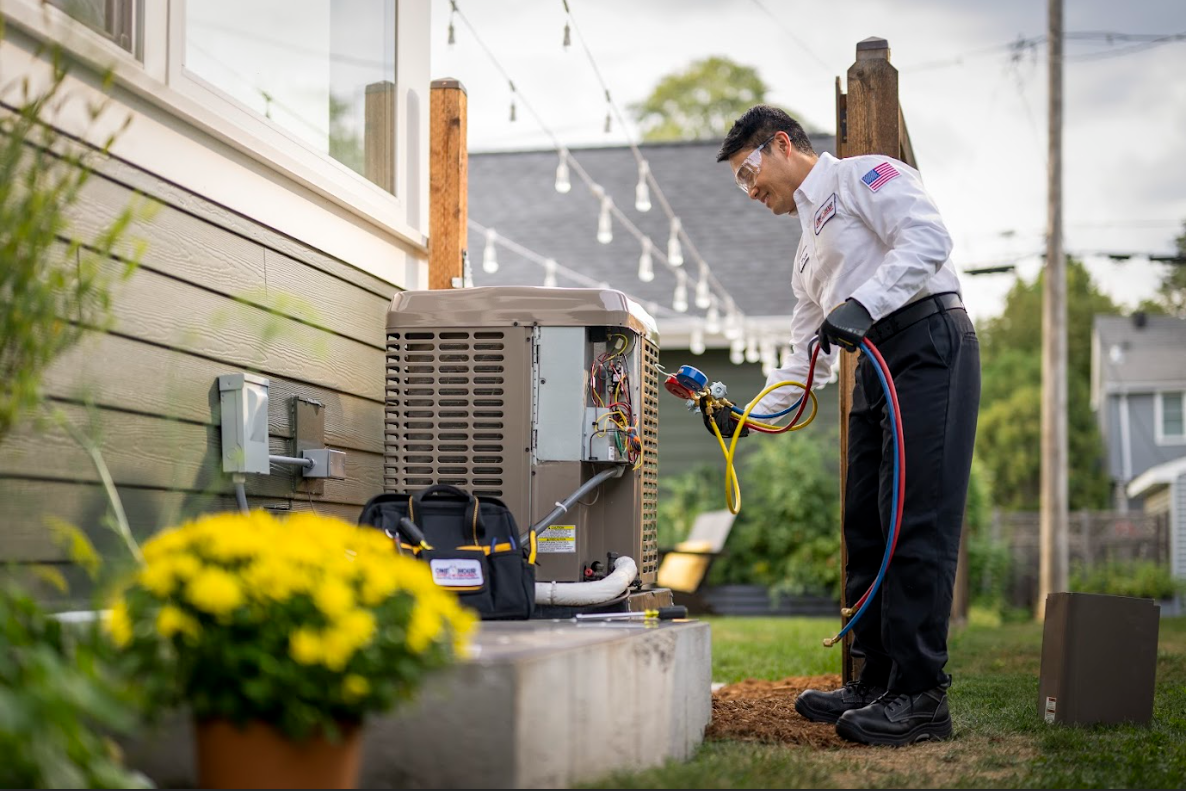
Electric-only homes in Riverdale, Washington Terrace, and parts of Roy often move to heat pumps for primary heating and cooling. A smart thermostat with dual-fuel logic can control a gas furnace as backup when temperatures drop or when utility rates spike. Below a chosen balance point, it locks out the heat pump and brings on gas or higher stages of auxiliary heat. At Ogden’s elevation, the balance point varies with insulation and window area. Data from the thermostat over the first season helps refine it.
Heat pump installation demands extra details: outdoor thermostat for heat lockout or integrated sensors, correct O/B reversing valve control, defrost strategy awareness, and adequate transformer VA for smart thermostat power draw. If the control runs on a common wire, verify voltage under load. Many Wi‑Fi thermostats want at least 24 VAC with good reserve. Weak transformers cause erratic behavior that looks like “software” when it is just power sag.
Network reliability, data privacy, and failsafe operation
Smart thermostats depend on steady Wi‑Fi and power. In parts of 84401 near Historic 25th Street and older neighborhoods in Lynn, routers may sit in basements with poor coverage. A mesh node near the hallway thermostat helps. The control should work without internet for basic heating and cooling. Look for local overrides, battery-backed clocks, and clear on-screen menus. For privacy, disable features that share data beyond what is useful for service and incentives. Most homeowners keep geofencing and runtime logs, and turn off voice control if not used.
Power quality matters during summer storms over Pineview Reservoir. Surge protection at the service panel and a dedicated HVAC surge protector reduce nuisance board failures. A smart thermostat with proper low-voltage protection does not fix a high-voltage surge, so protect both sides: line and low-voltage.
Brand ecosystem notes for Northern Utah
Ogden homeowners install a range of trusted names: Lennox, Carrier, Goodman, Trane, Bryant, American Standard, Mitsubishi Electric, and Daikin. Mass-market systems offer broad thermostat compatibility and easier cross-brand pairing. High-end lines bring quieter outdoor units, better turndown, and deeper diagnostics. In barrowed side yards in North Ogden and Harrisville, Daikin Fit side-discharge condensers reduce property line conflicts while keeping airflow clear.
Factory-authorized dealers align thermostat choices with warranty language. Some brands require a matched communicating control to preserve certain coverage. An authorized installer also keeps firmware current and carries tools for communicating bus diagnostics. That shortens summer downtime, especially during a July week over 95°F when service slots are scarce.
Real Ogden scenarios that show what works
Mount Ogden split-level, 2,600 square feet: The home had a 4-ton single-stage condenser and undersized returns. It short-cycled at 3 p.m. And the upstairs stayed warm. The fix used a Manual J that called for 3.5 tons with added returns. A variable-speed SEER2 system went in with a communicating control. After commissioning and duct changes, the thermostat’s learning overshoot cut stage-2 calls by half, and upstairs stayed within 1 degree of setpoint during a 96°F week.
East Bench bungalow near Weber State University, 1,700 square feet: Tight utility closet, narrow side yard, and hot west sun in late afternoon. The install used a Daikin Fit with a compact air handler and a conventional smart thermostat. Geofencing pre-cooled the home from 2:30 p.m. To 4:00 p.m., then held steady at low fan speed. Runtime dropped 22% compared to the previous 10-SEER unit. Noise fell enough that porch conversations no longer paused when the system started.
West Haven new construction, 3,100 square feet, open plan: Two zones with a zone panel, variable-speed furnace, and two-stage AC. The thermostat integrated with supply-air temperature protection and a minimum-open zone. Afternoon damper timing shifted more air to the south-facing great room. With proper commissioning, the home used 28% less cooling energy than similar nearby builds with all-on or all-off airflow schedules.
Homeowner checklist before smart thermostat installation
Most integration problems trace back to wiring, power, or airflow. A short pre-check helps avoid callbacks and protects new equipment.
- Confirm a common wire from the air handler or furnace to the thermostat location; verify transformer VA is adequate for added draw.
- Identify equipment type: single-stage, two-stage, variable-speed, or heat pump; note auxiliary heat and O/B reversing valve needs.
- Check filter size and condition; measure or record current static pressure if available; plan for return upgrades if noise or hot spots persist.
- Verify Wi‑Fi strength at the thermostat location; add a mesh node if signal is weak.
- Document breaker sizes, the electrical disconnect, and the condensate drain or pump; replace worn pumps to prevent nuisance shutdowns.
Thermostat compatibility quick checks for Ogden homes
These quick probes catch most mismatch issues between controls and hardware common in 84403, 84404, and 84405 homes.
- Does the outdoor unit need a communicating control for full capacity modulation? If yes, stay within the brand’s ecosystem.
- Is there dual-fuel logic required for a heat pump with gas backup? Confirm outdoor temperature sensor or indoor algorithm support.
- Are there zoning dampers? Ensure the thermostat or zone panel can enforce minimum airflow and supply temperature limits.
- Is dehumidification control needed during monsoon weeks? Verify blower dehum terminals or fan de-rate features are supported.
- Are utility rebates in play? Confirm SEER2 ratings, AHRI match numbers, and thermostat capabilities meet Wattsmart criteria.
SEER2, incentives, and what matters for bills in Weber County
Moving from an older 10-SEER system to a modern 16–18 SEER2 setup can trim cooling costs by 25–40% in Ogden homes, based on runtime logs gathered across recent installs. The actual savings depend on airflow, duct leakage, and how aggressively the thermostat schedules pre-cooling. Two-stage and variable-speed units pull ahead during stretch heat and in multi-level layouts, where steady low-stage cooling prevents temperature stratification. Smart thermostats keep those low stages engaged longer by reading setpoint trends and occupancy data.
For homeowners near McKay-Dee Hospital and Peery’s Egyptian Theater, the biggest wins come from a combined upgrade: right-size by Manual J, improve returns, seal obvious duct leaks, commission to manufacturer specs, then let the thermostat run a simple, consistent schedule. Fancy automations help, but the fundamentals deliver the savings seen on Weber Basin bills.
Service standards that protect warranties and comfort
One Hour Heating & Air Conditioning in Ogden deploys NATE-certified installers with EPA Section 608 Universal credentials. The team carries Utah S350 licensing and maintains RMGA membership for combustion safety on dual-fuel pairs. Factory-authorized dealer status with major brands means access to brand diagnostics and firmware tools. This matters during July heatwaves when minutes count.
A proper install documents the AHRI matched system, captures vacuum levels, records subcool/subheat, logs static pressures, and photographs electrical connections including the disconnect and torque marks. The thermostat commissioning sheet includes equipment profiles, lockout temps, staging thresholds, fan tables, and zoning rules. When this paperwork exists, manufacturer warranty claims move faster and hold stronger. It also proves compliance for Rocky Mountain Power Wattsmart incentives and any available federal credits.
Ogden AC installation and thermostat integration: practical FAQs
How long does an installation take? A straight air conditioning replacement with a compatible thermostat often finishes in one day. Add half a day for duct corrections, zoning setup, or attic safety switches. Full design-build for new construction varies by project and inspection schedules in Weber County.
Will a new unit qualify for Rocky Mountain Power rebates? If the indoor and outdoor units form a listed AHRI match at SEER2 targets and the thermostat supports required features, yes in many cases. A site visit confirms eligibility and helps plan paperwork.
Is heat pump installation a good fit for electric-only homes? Yes. Inverter heat pumps handle most of Ogden’s winter days. Add electric or gas backup based on rate plans and comfort targets. A dual-fuel thermostat manages the switchover by outdoor temperature or cost logic.
What brands perform well in Northern Utah? Lennox, Carrier, Goodman, Trane, Bryant, and American Standard dominate the mass market. Daikin and Mitsubishi Electric cover high-end inverter and ductless options. A matched, commissioned system beats a mismatched higher rating on paper.
What about historic homes near Union Station and 25th Street? Expect tight spaces, plaster walls, and mixed ducts. Compact condensers such as Daikin Fit help. Zoning or a small ductless head for a hot office often finishes the job. A smart thermostat coordinates these pieces so they do not compete.
Local coverage and response zones across Ogden
Service is available across Ogden, North Ogden (84414), South Ogden, Washington Terrace, Roy, Pleasant View, Riverdale, West Haven, Marriott-Slaterville, Barrett Woods, East Bench, Shadow Valley, Mount Ogden, and the 84401, 84403, 84404, and 84405 zip codes. Technicians know the permit desks, inspection windows, and neighborhood access patterns. That shortens timelines and reduces headaches for homeowners and builders.
Installers familiar with Weber State University area parking rules and Historic 25th Street delivery hours keep projects moving. Crews plan around lunchtime traffic near Ogden Union Station and schedule crane work with attention to narrow alleys behind older properties. Small details, big time savings.
Air conditioning installation Ogden: aligning equipment, controls, and comfort
Air conditioning installation Ogden homeowners can rely on pairs technical rigor with human comfort goals. The right plan starts with a Manual J, includes duct fixes if needed, selects SEER2-rated equipment from trusted brands, and ends with a thermostat that speaks the same language as the hardware. The installation then stands on commissioning numbers, not guesswork.
For families in 84403 and 84405, the payoff is steady comfort, quiet operation, and bills that reflect Ogden’s high-desert advantage. For modern homes in West Haven and upgrades on the East Bench, integration reduces hot rooms, stops late-night short cycling, and extends equipment life. For compact historic homes near 25th Street, right-sized controls make small footprints feel bigger and calmer.
Clear next steps for Weber County homeowners
Schedule a free in-home estimate with One Hour Heating & Air Conditioning. A licensed comfort advisor will measure the home, run a Manual J load calculation, review duct health, and recommend equipment and controls that meet SEER2 standards. Expect brands such as Lennox, Carrier, Goodman, Trane, Bryant, American Standard, Daikin, and Mitsubishi Electric, with options from single-stage replacements to variable-speed and heat pump solutions. Factory-authorized dealer status protects warranties. NATE-certified installers handle commissioning, thermostat setup, and rebate documentation.
Financing is available, including 0% promotional plans for qualified buyers. Current promotions include a $500 instant rebate on full system installs and a free smart thermostat with a new AC when installed with qualifying equipment. Ask about Rocky Mountain Power Wattsmart incentives and how to stack federal credits where applicable.
Residents near Weber State, East Bench, Shadow Valley, West Haven, North Ogden, and across 84401, 84403, 84404, and 84405 can book priority visits. Same-week openings are common outside peak heat waves. For urgent failures in 90°F July heat, dispatch prioritizes homes with elderly occupants or medical needs.
Call One Hour Heating & Air Conditioning in Ogden or request an appointment online. The team serves Ogden, UT and nearby communities across Weber County. A precise installation and a well-integrated thermostat turn the high desert’s sharp swings into steady, quiet comfort.
One Hour Heating & Air Conditioning delivers dependable heating and cooling service throughout Ogden, UT. Owned by Matt and Sarah McFarland, the company continues a family tradition built on honesty, hard work, and reliable service. Matt brings the work ethic he learned on McFarland Family Farms into every job, while the strength of a national franchise offers the technical expertise homeowners trust. Our team provides full-service comfort solutions including furnace and AC repair, new system installation, routine maintenance, heat pump service, ductless systems, thermostat upgrades, indoor air quality improvements, duct cleaning, zoning setup, air purification, humidifiers, dehumidifiers, and energy-efficient system replacements. Every service is backed by our UWIN® 100% satisfaction guarantee. If you are looking for heating or cooling help you can trust, our team is ready to respond.
One Hour Heating & Air Conditioning
1501 W 2650 S #103
Ogden,
UT
84401,
USA
Phone: (801) 405-9435
Website: https://www.onehourheatandair.com/ogden
License: 12777625-B100, S350
Social Media:
Facebook
X
Instagram
Pinterest
YouTube
Find us on the map:
Google Maps Listing